

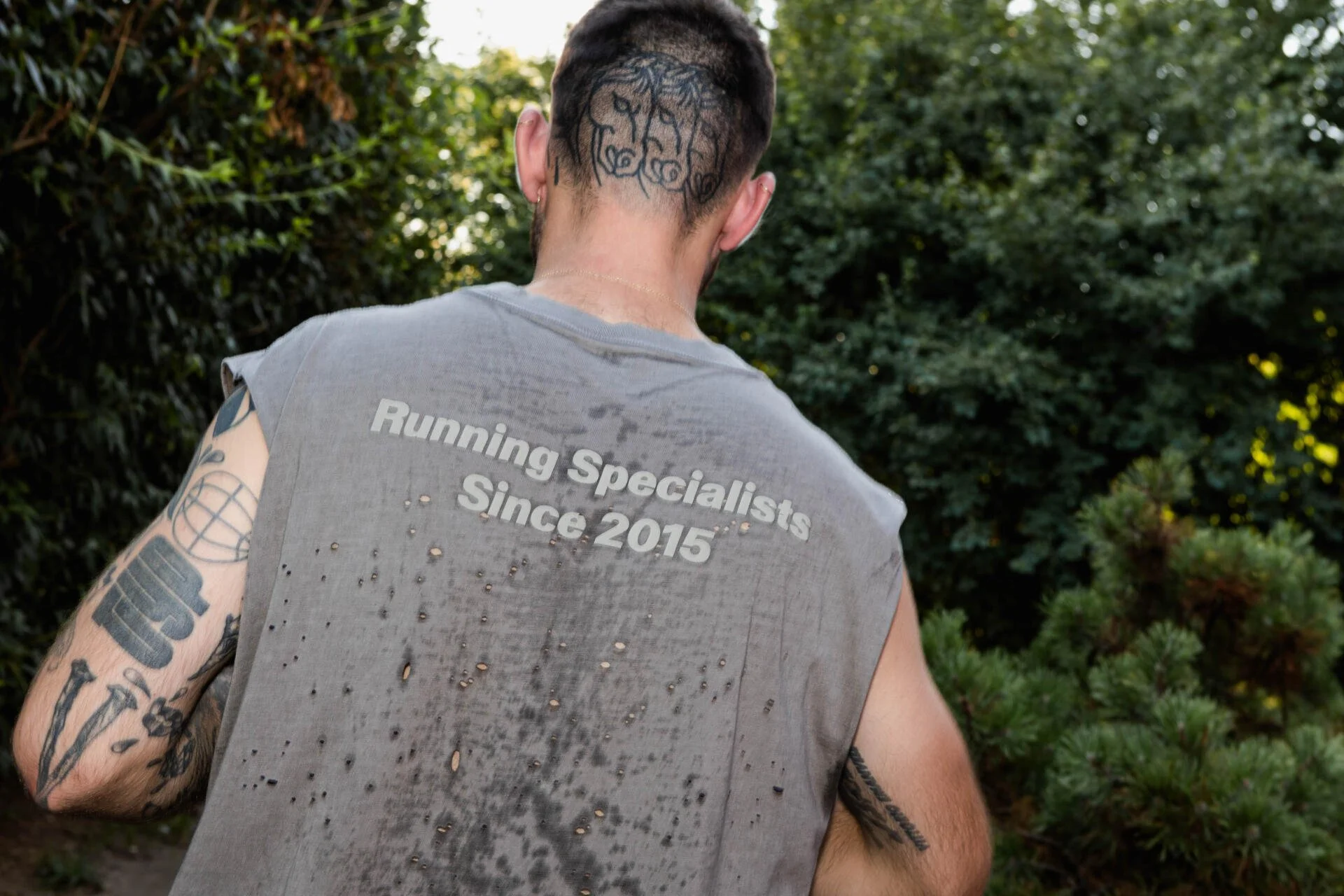
Niche-tige brands look elite—but in the running boom era, they’re just hype on borrowed time.
The explosion of running culture has created a new class of brands competing in what I call the “niche-tige” space—a niche façade dressed up as prestige. These brands rely heavily on fleeting aesthetics, meme-like hype cycles, and micro-tribal identity signals to capture cult consumers. But as running shifts from a subculture to a mainstream lifestyle—with new indie performance brands emerging weekly—the niche-tige model is revealing its hollowness. Minimalism won’t save a brand either; without deep pockets or deep purpose, “quiet luxury” collapses under the noise of hype. The future belongs to brands with specificity, soul, and a point of view that starts weird—but grows into a world.Here
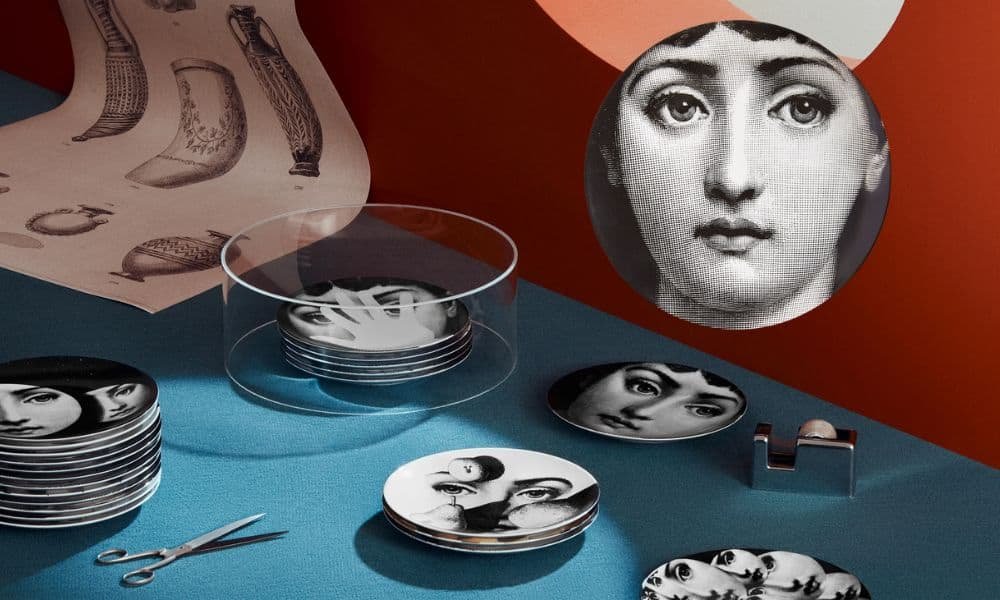
In a world of digital homogeneity, imperfection becomes the only way for brands to stay alive.
After a decade of digital flattening—where Millennial minimalism conquered every sector and turned brands into sanitized, lowercase commodities—culture is pivoting sharply away from perfection. Younger generations see polish as performance, opting instead for messy, iterative, and deeply human expressions that reject the era of “blanding.” Historically, the most enduring brands were never about aesthetic uniformity; they were mandates—Fiorucci’s irreverent optimism, Visionaire’s hybrid art–fashion experimentation, Fornasetti’s surreal maximalism—ideas so strong their visual worlds continually evolved. But in acquisition-era corporate hands, even these once-eccentric houses have been flattened into static, ownable, scalable systems, losing the irregularity that made them magnetic. The pendulum is swinging back: the future belongs to brands that embrace imperfection as proof of life.It All Begins Here